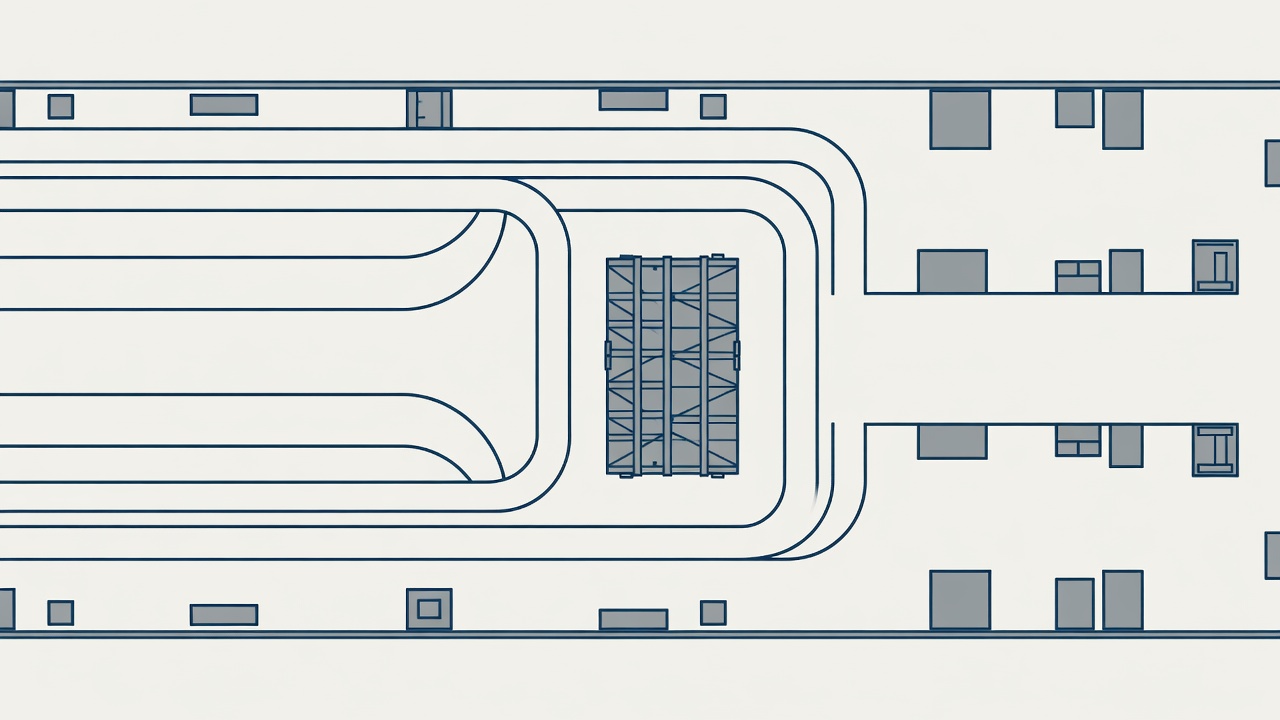
Map the tasks before buying organisers
Start with the boat in sailing trim rather than emptied for cleaning. Walk the route between helm, winches, companionway, foredeck and recovery positions. Note where a line crosses a footpath, a lid blocks movement or a stored item has to be removed before an essential task can begin.
Give each space a role. A working cockpit needs room for people and line handling; it should not become an overflow locker. The companionway must remain usable, and escape routes must not depend on moving heavy boxes. Check the effect of an open locker lid as well as the contents inside it.
Storage can reduce effort, but it can also conceal a problem. Putting a bag around chafing rope does not correct the lead. Covering a damp locker with a liner does not establish why water enters. Identify the cause before adding another fitting.
Keep working lines identifiable and free
Rope bags, hangers and carefully placed retainers can keep loose tails away from feet and controls. They need enough space for the actual line, including a wet or hurriedly gathered coil. Overfilled bags can snag, retain water or make the next release awkward.
Use clear labels where several lines reach one working area. Colour alone may not be enough in poor light or for every crew member. Make sure the crew can trace the lead and identify the relevant clutch or cleat. Labels should support an understanding of the rig, not replace it.
Check line diameters against the specified range for organisers, clutches and blocks. A line that physically passes through a fitting is not necessarily suitable. Keep hands away from loaded leads and avoid arrangements that encourage a person to stand in a bight.
Distinguish storage fittings from load-bearing hardware
A hook intended for a light bag is not a structural attachment point. Blocks, padeyes, organisers and cleats carry forces that vary with the lead angle, load and arrangement. Select them using the manufacturer’s guidance and competent assessment where needed. A breaking-load figure is not an invitation to use that load in service.
Adding deck hardware can affect structure and watertightness. Fastener choice, backing, core protection and sealing all matter. Do not drill simply because a position looks convenient. Ask a qualified boatbuilder or rigger to evaluate uncertain installations, especially where loads or cored construction are involved.
Plan lockers around access and restraint
Place heavy items low and in positions suitable for the boat’s loading plan. Restrain them so that a sudden heel or impact does not turn a tidy locker into moving cargo. A lid that stays closed at the berth may still need a positive latch for sailing.
Separate wet ropes and cleaning equipment from items that need to remain dry. Use containers that can be lifted without spilling and opened without dismantling the entire locker. Leave ventilation and drainage paths clear. Do not place ordinary electrical equipment, ignition sources or incompatible supplies in dedicated gas or fuel spaces.
| Solution | Helps with | Watch for |
|---|---|---|
| Ventilated rope bag | Gathering working tails | Snags, overfilling and blocked drains |
| Restrained rigid box | Grouping small supplies | Weight, latch strength and lifting access |
| Dry bag | Protecting suitable contents from splashes | Closure limits, punctures and trapped moisture |
| Labelled shallow tray | Finding frequently used parts | Loose contents when heeled |
Make daily essentials easy to live with
Keep drinking water, suitable clothing and personal lights within practical reach. Use a predictable place for glasses, medication and the current watch notes. A small labelled pouch may work better than a deep shared drawer, provided it is secured and does not block an exit.
Choose lighting that provides enough detail for the task and can be dimmed appropriately. Red light is not automatically the best answer for every chart or label, because colour distinctions can disappear. Check the actual information you need to read and avoid bright spill into the helm’s sightline.
Secure galley equipment and provisions before departure. Heavy bottles, pans and tools need more than a convenient shelf edge. Keep heat sources, ventilation openings and electrical equipment clear. Charging cables should not cross handholds or exits, and batteries should be charged according to their manufacturer’s instructions, away from unsuitable heat or moisture.
Inspect the system, not just the contents
At regular intervals, remove enough gear to inspect the storage itself. Look for dampness, chafe, loose fixings, corrosion, cracked bins and failing straps. Rinse and dry equipment where instructed. Avoid sealing damp textiles away simply because the locker looks more orderly with its lid shut.
- Confirm that emergency gear is reachable without unloading unrelated items.
- Check that lids, boxes and bags stay secured in sailing conditions.
- Leave drains, seacocks, bilge access and ventilation unobstructed.
- Remove unused duplicates that consume useful space without adding resilience.
- Brief the crew whenever a familiar item changes location.
A successful storage plan reduces searching and protects equipment while preserving access. If it requires perfect packing every time to remain safe, simplify it.